
Dental Implants in Elmhurst, IL: Implant Dentistry Services
Missing or poorly functioning teeth can keep you from smiling, laughing, and eating freely. That matters to you, so it matters to us. That’s why we offer dental implants.
Dental Implants in Elmhurst IL

Functionality
Look and function
like natural teeth

Long-Lasting
Provide a long-term
solution for tooth loss

Confidence
Eliminate the discomfort and
embarrassment of missing teeth
Why Choose Happy Tooth for Dental Implants
Placing an implant well starts long before surgery day. Here is what you can expect when you trust us with replacing your tooth.
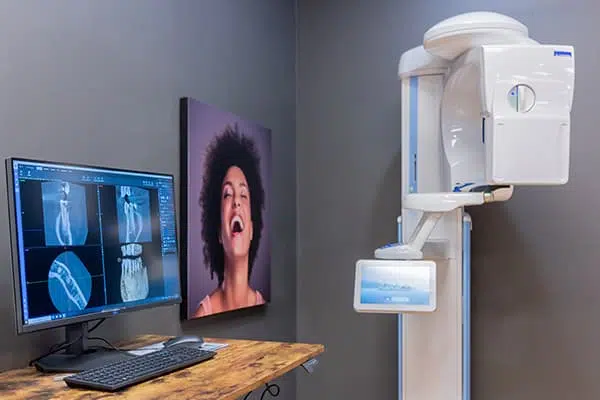
- Surgery planned digitally first: We use CBCT 3D imaging and a 3D-printed surgical guide to plan your placement before we begin, so the implant goes exactly where it should.
- Bone support with PRF: If your jawbone needs strengthening, we use bone grafting with Platelet-Rich Fibrin to aid healing and help generate healthy bone tissue.
- Crowns milled in our office: Your crown is designed and milled here from a digital scan, so there are no messy impressions and far less waiting.
- A dentist with implant credentials: Dr. Maggie Augustyn, FAGD, FACD, FICOI, FIADFE, FAAIP.
Schedule your visit today, and let us help you achieve the smile you deserve.

Why You Can’t Leave Missing Teeth Alone
You might think that missing tooth doesn’t bother you that much. However, your other teeth definitely notice the extra stress placed on them, which could lead them to break down much earlier.
What Are Dental Implants?
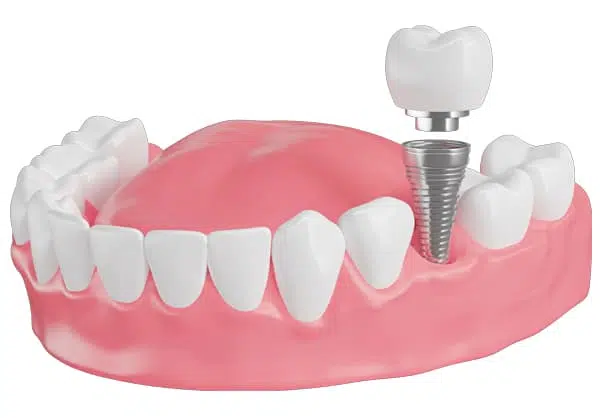
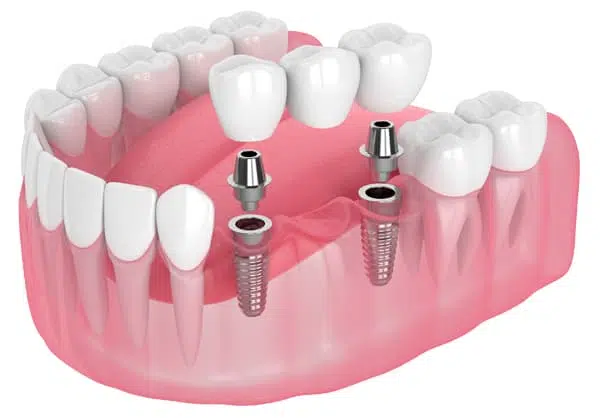
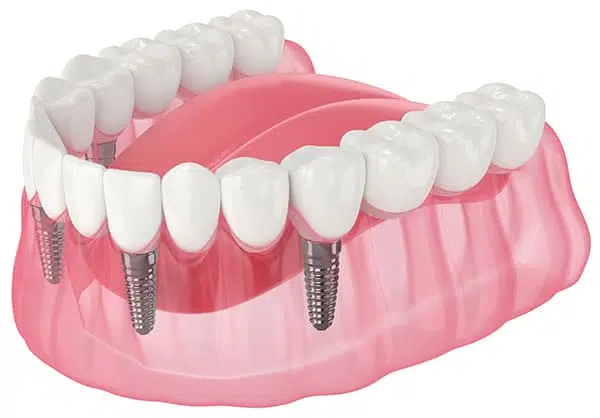
A dental implant is the best way to replace a natural tooth, and it has three parts: a strong prosthetic root made of titanium, an abutment placed over that prosthetic root, and a visible crown seen above the gumline, which lets the implant function as a tooth.
Before getting dental implants, it’s important to see a doctor for a physical. Several systemic health conditions can impact the health of dental implants, including diabetes, kidney disease, osteoporosis, autoimmune disorders, cardiovascular disease, and gastroesophageal reflux.

Four Steps to Dental Implants
Dental implants are completed in four phases.
1. Free consultation with a thorough exam to see if you’re ready and healthy enough for an implant. This includes CBCT (Cone Beam Computed Tomography) with 3D imagery.
2. Extraction of a failing tooth, if necessary, with a bone graft to strengthen your existing bone structure to support the implant.
3. Surgery, where we’ll place the prosthetic root into your jawbone and then give the prosthetic root four to six months to heal and fuse with your jawbone.
4. Receive your crown.
How Dental Implants Benefit You
The structure of dental implants is similar to a natural tooth–they won’t shift while you eat, talk, and live your life. The prosthetic root being placed in the jawbone reduces your risk of bone loss and supports facial structure. It will also keep your other teeth from shifting into the empty space.


Can Dental Implants Help Me?
Chances are, the answer is yes. You’ll need to have good overall oral health and healthy bone tissue to support the implant. If your jawbone isn’t healthy enough to receive the implant right now, don’t worry. We’ll do a bone graft with Platelet-Rich Fibrin (PRF) to generate healthy bone tissue. We can also treat any gum or teeth grinding (bruxism) disease before beginning the implant process.
Tooth Replacement
Replacing One Tooth: When replacing a single tooth, a prosthetic titanium root is placed where the missing root used to be allowed to heal. No modifications of adjacent teeth are needed.

Your Investment in Dental Implants
Dental implants are a personal investment in your health. Factors like the number of implants and any preparatory treatments will impact the cost. When weighing the costs, consider the long-term benefits of dental implants: durability, a healthy jawbone, chewing power, and aesthetics. We’ll help you maximize insurance coverage and other financing options to make your dental implants affordable.
What Should I Do Next?
Contact us to schedule a consultation. We’ll welcome you with open arms and help you decide if dental implants are right for you.


